Logistics efficiency (or lack thereof) can make or break an ecommerce business. Fast and reliable delivery is now a primary driver of customer satisfaction, making the “last mile” (the final stage of the delivery process) more important than ever. In response to these challenges, an innovative solution has emerged: the dark store.
Dark stores are retail spaces that are closed to the public and operate solely for the purpose of fulfilling online orders. These spaces mimic traditional storefronts but are designed and optimised to function as fulfillment centres. In this article, we’ll explore how businesses can use dark stores to manage their ecommerce logistics more effectively, and which types of companies are best suited for this setup.
What is a dark store?
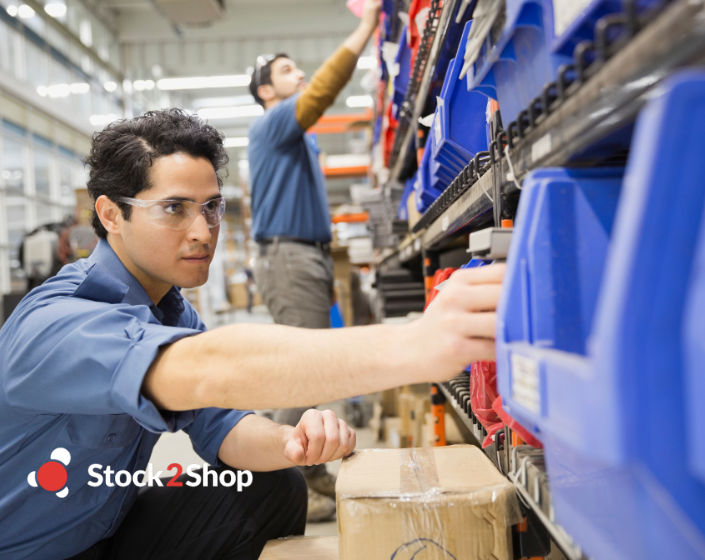
A dark store is essentially a hybrid between a warehouse and a retail store. Unlike conventional warehouses, which are large and located in remote areas, dark stores are usually smaller and situated in urban or suburban locations. Their layout is similar to a retail store, with goods organised on shelves, but no customers walk the aisles. Instead, staff members, or even robots in some cases, pick and pack products to fulfill online orders.
The dark store concept originated in the grocery industry, where fast delivery of fresh goods is essential. Today, it has expanded to other sectors, including apparel, consumer electronics, and health and beauty products.
How dark stores optimise ecommerce logistics
1. Faster last-mile delivery
The proximity of dark stores to dense urban areas is a game-changer for ecommerce businesses. Traditional fulfillment centres are often located on the outskirts of cities, making last-mile delivery costly and time-consuming. Dark stores, on the other hand, are typically situated within or near the communities they serve, allowing companies to deliver products much faster — often within hours. By shortening the distance between the fulfillment centre and the customer, dark stores significantly improve delivery speed and customer satisfaction.
2. Increased inventory control
Since dark stores function like mini-warehouses, they offer better inventory control than traditional retail stores. Ecommerce businesses can stock products according to local demand, ensuring that the most popular items are always available. Additionally, dark stores allow for real-time updates on inventory levels, reducing the likelihood of overselling or running out of stock. This helps businesses avoid costly delays and customer frustration due to unavailable products.
3. Enhanced efficiency in order picking
One of the primary advantages of dark stores is the ability to optimise the picking process. The layout of a dark store can be specifically designed for staff or automated systems to quickly locate and retrieve products. Unlike a traditional store, where products are arranged for customer browsing, dark stores arrange items in a way that speeds up order picking and packing. Some dark stores even use technology such as automated picking systems or robotic carts to further enhance efficiency.
4. Lower operational costs
Compared to traditional retail stores, dark stores tend to have lower operational costs. Without the need for a customer-facing setup, businesses can save on rent, utilities and staff. Dark stores require fewer employees since there’s no need for sales associates or cashiers. Instead, the focus is on logistics staff such as pickers, packers and managers. Moreover, because dark stores don’t need to be in premium retail locations, companies can choose more cost-effective spaces, further reducing overheads.
5. Flexibility and scalability
Dark stores offer flexibility that traditional brick-and-mortar stores cannot match. Businesses can quickly adapt the inventory in each dark store based on local demand, seasonal trends, or promotional activities. Moreover, dark stores are scalable. Companies can open more dark stores in strategic locations to meet increasing demand without the need for large-scale infrastructure investments.
6. Omnichannel integration
For companies that operate both online and physical stores, dark stores offer an excellent opportunity to integrate their ecommerce and brick-and-mortar operations. By using dark stores as fulfillment centres for online orders and local pickup points, businesses can streamline their supply chain and reduce the need for multiple distribution centres. This omnichannel approach allows for seamless coordination between online and offline sales, improving the overall customer experience.
Who should use dark stores?
Dark stores aren’t a one-size-fits-all solution. They are best suited for companies that require fast delivery and have a significant volume of online orders in concentrated geographic areas. Here are some types of businesses that can benefit the most from a dark store setup:
- Grocery stores and supermarkets: The grocery sector is where the dark store concept first took off. The need for rapid delivery of fresh produce, meat and other perishable goods makes dark stores an ideal solution.
- Apparel retailers: Fast fashion brands and apparel retailers with a strong online presence can use dark stores to manage their logistics effectively. Dark stores allow for quick replenishment of local stock and fast delivery of trending items.
- Consumer electronics: Electronics retailers can use dark stores to stock high-demand items in urban areas, allowing for faster delivery of items such as smartphones, laptops and gaming consoles.
- Health and beauty brands: Health and beauty products, particularly those related to skincare, cosmetics, and personal hygiene, often have a high turnover and require frequent replenishment. Dark stores enable beauty brands to offer quick delivery to customers who want products right away.
Dark stores are transforming the way ecommerce companies approach logistics. By optimising order fulfillment processes, shortening last-mile delivery times and reducing operational costs, dark stores offer a strategic advantage to businesses looking to enhance their ecommerce operations.
For companies that might be doing decent volumes online but don’t have the resources to set up their own dark store, there are two other options:
1. A hybrid approach
If you have a brick-and-mortar store, set aside some of the stock in that warehouse for online sales only and track this stock in a virtual warehouse on your ERP. Choose items that sell fast, and make sure that your staff members know it’s exclusively for ecommerce.
2. 3PL logistics
Companies such as Parcelninja provide outsourced warehousing and logistics. You can drop your stock off at their storage facility, and you can log onto a portal to create deliveries which are then processed by Parcelninja. Or better yet, you can use Stock2Shop to automatically notify Parcelninja to pick, pack and deliver as soon as your customers place online orders.
Contact us to find out how ecommerce integration can help you manage your stock better for more efficient logistics.